The next metric for brands isn’t attention or reach. It’s meaning.

An interview with Harvard's Humanist Chaplain, Greg Epstein

Every decade has a defining consumer question.
The 2010s asked: How do we connect?
The early 2020s asked: How do we optimise?
Today, a different question is emerging: How do we make sense of the world in such polarising times?
In a recent conversation for our Parafaith Dialogues series, humanist chaplain and author Greg Epstein suggested we’re moving beyond what many described as “late-stage capitalism” into something he calls “early apocalypticism.”
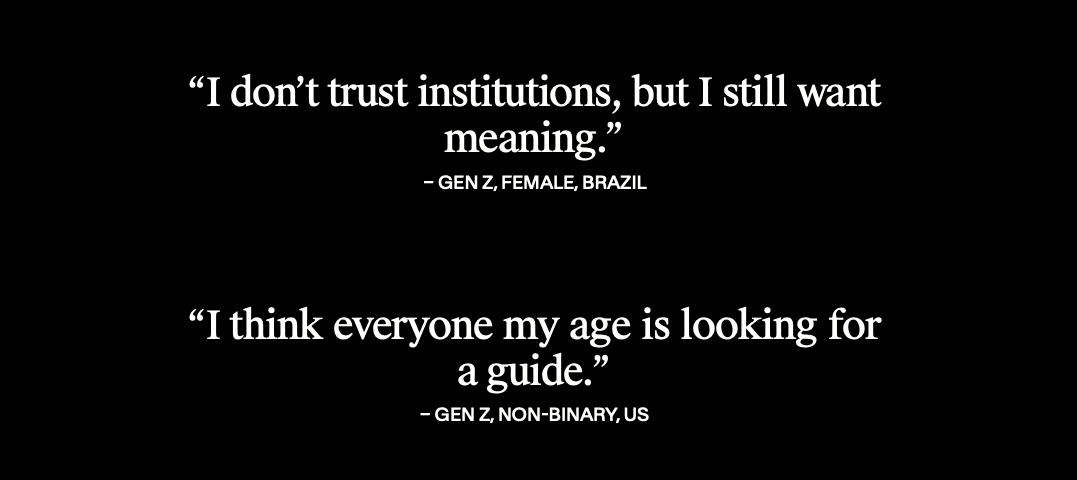
It’s a provocative phrase, but it captures something we hear repeatedly across our own research. Climate uncertainty, AI reshaping work and identity, political instability, shifting ideas around family, gender, success and community.
Consumers aren’t just navigating change in one part of life, they’re questioning almost every system they’ve inherited. When everything feels uncertain, people begin searching for something more stable. It’s not necessarily religion but ritual, community, shared values, spaces that create a sense of belonging. That’s what Parafaith is exploring.
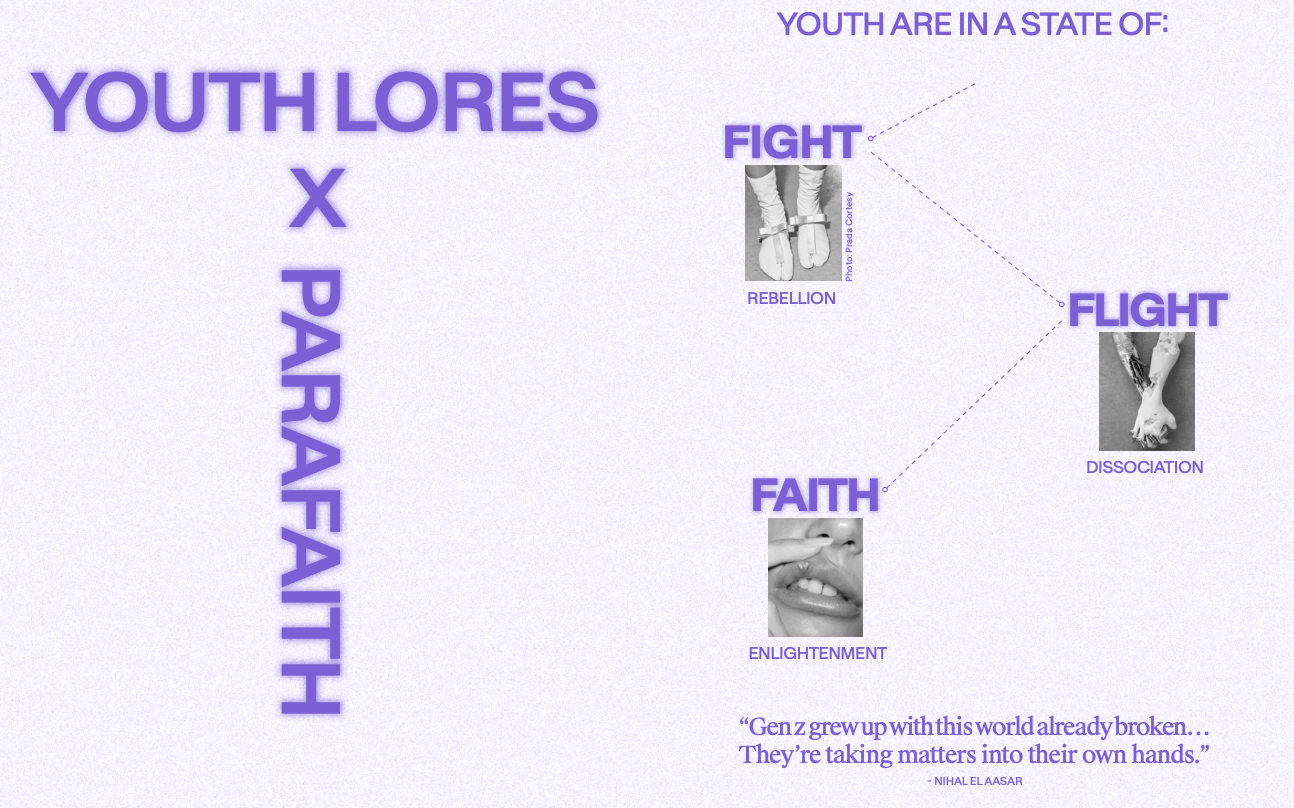
One idea from Greg particularly stayed with us. He argues that if you want to understand what people truly believe, don’t ask them. Watch what they do. Where do they spend their time? What do they return to every day? What do they devote their attention to?
Technology has quietly become one of the most powerful organising forces in modern life. For many people, it shapes daily rituals, relationships and even decisions once reserved for family, faith or community. Yet while technology occupies more of our lives than ever, loneliness continues to rise. Consumers have more access, more information and more convenience, but many still feel disconnected and it’s that tension creates an important question for brands. Not how do we capture more attention? But: How do we create genuine moments of meaning?
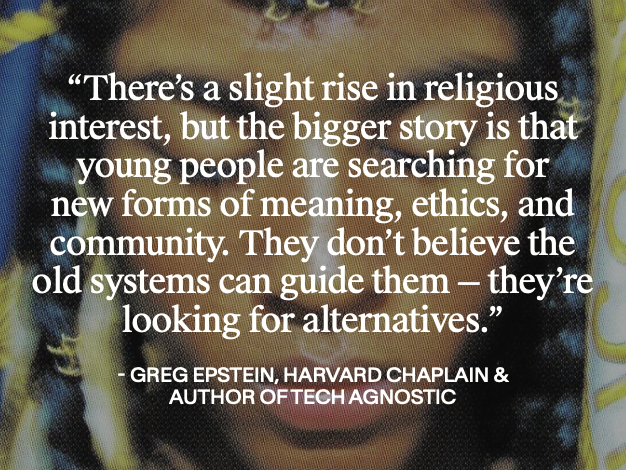
The brands building long-term relevance won’t simply understand culture, they’ll help shape it. That doesn’t mean replacing religion or trying to manufacture purpose. It means recognising that consumers are increasingly looking for experiences that feel human, participatory and rooted in shared values. The opportunity isn’t to become another platform demanding attention, it’s to become a place people want to return to.
This conversation forms part of our ongoing Parafaith Dialogues, where we’re speaking with leading thinkers exploring how belief, technology, identity and community are being redefined.
If you’d like to discuss what these shifts mean for your brand, we’d love to continue the conversation.