Beauty’s Next Era: Science, Selfhood & The Return of Weird
Last week, Dazed Studio hosted our latest Beauty Breakfast at WSA New York, bringing together Alex Peters, Beauty Director at Dazed, Lindsey Okubo, Associate Director of Narrative & Brand Strategy, Laura Pitcher, US Editor at Dazed, and Izzy Farmiloe, Global Head of Strategy, to talk about what’s changing in beauty and where it could go next.
I came with an open heart and star-face pimple patch on my face, feeling that “beauty” is somehow far away from me, and left recognizing that we’re all already partaking in beauty everywhere.
In this panel unpacking current aesthetics and behaviors, one tension kept coming up:
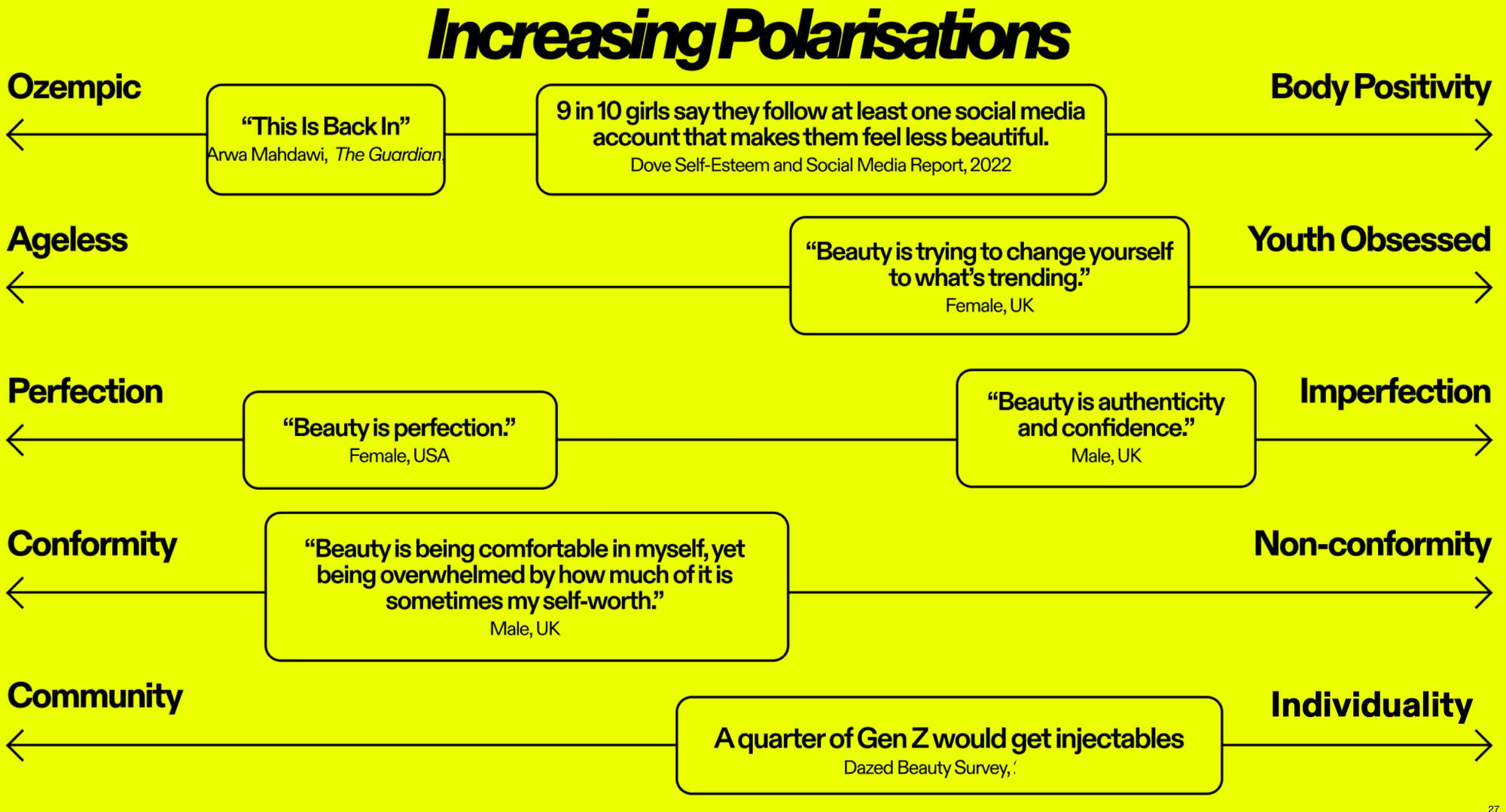
On one side, beauty is becoming more optimized: more scientific, measurable, preventative and precise. On the other, there’s a growing appetite for character, play, imperfection and things that simply feel more human or, as we put it on the morning:
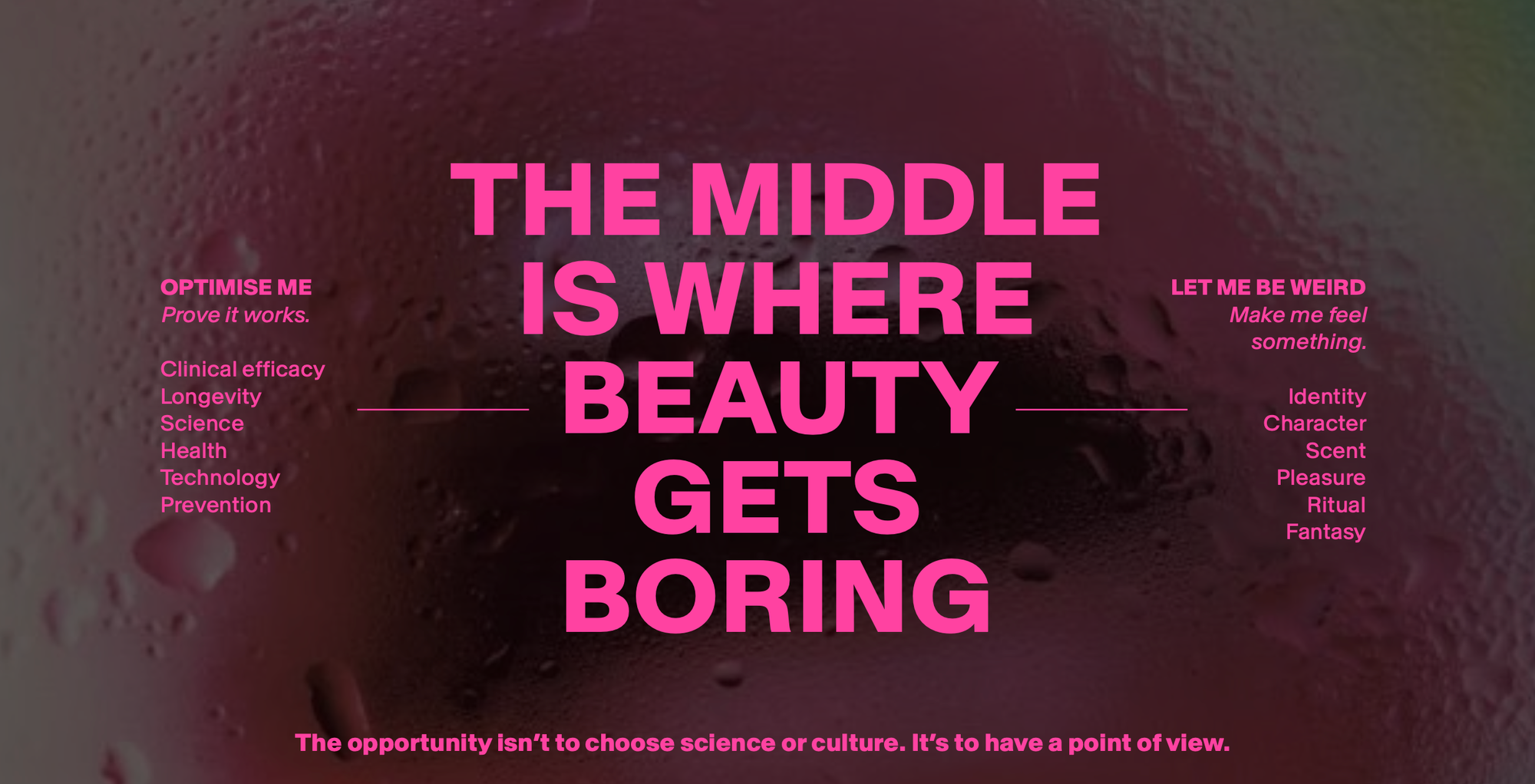
OPTIMISE ME < ——> LET ME BE WEIRD
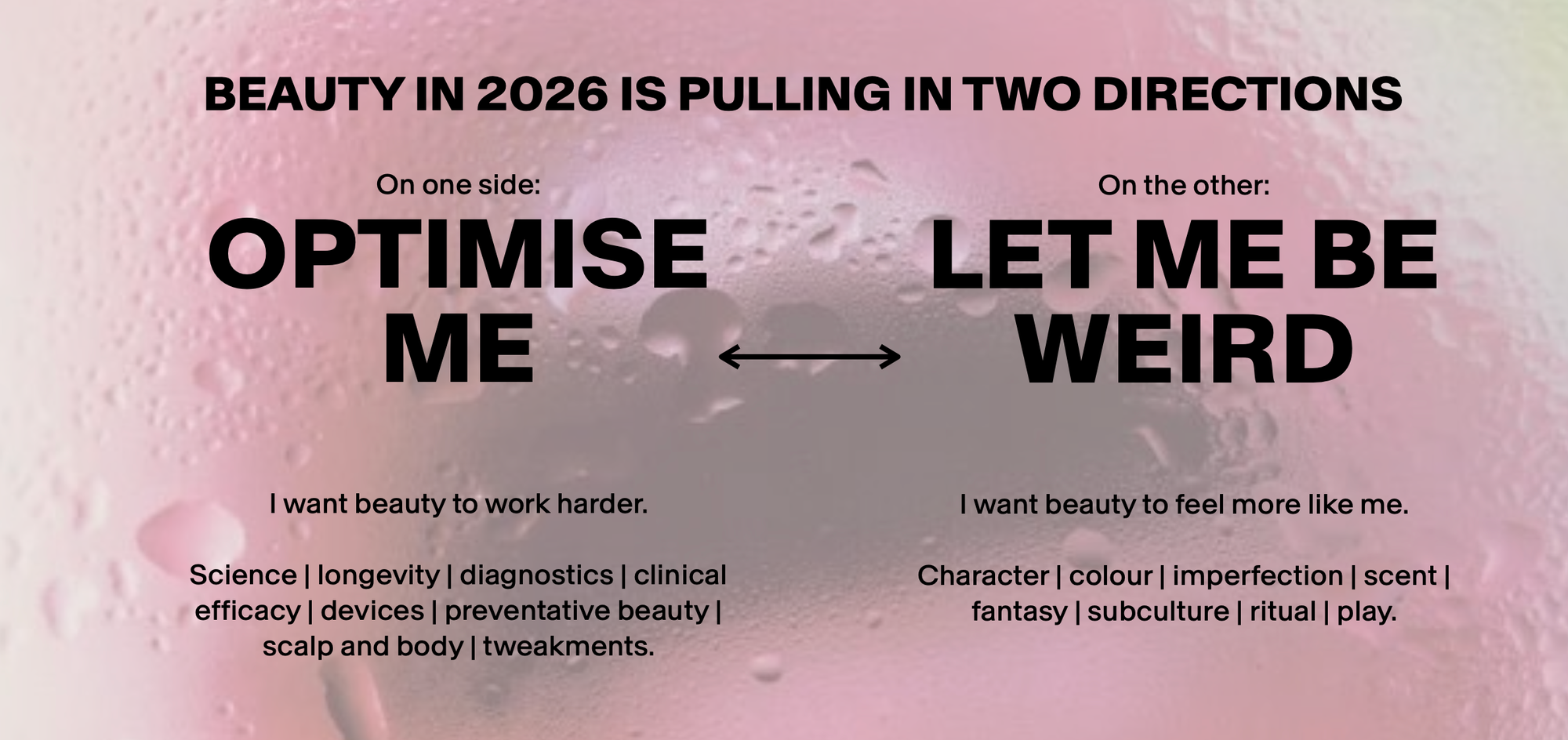
The interesting part is that these things aren’t mutually exclusive. We can want better skin and crooked teeth, clinical efficacy and fantasy, botox and strange makeup. Beauty culture is becoming more contradictory, more personal and harder to reduce to one dominant ideal. Here are six things I'm thinking about after the conversation.
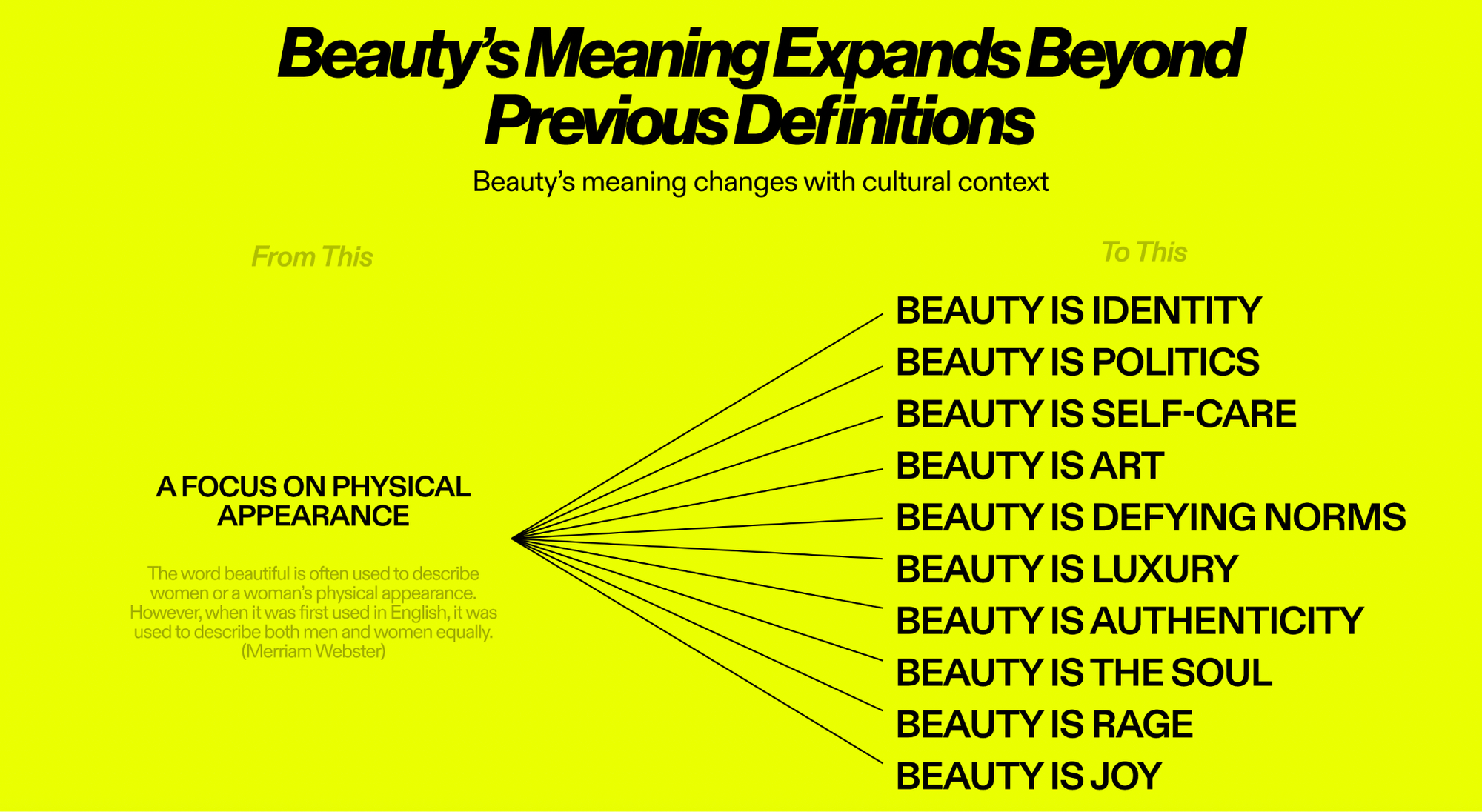
01 EXPANDING DEFINITION OF BEAUTY: BEAUTY IS BOUNDLESS, THE LANGUAGE OF YOUTH CULTURE
Beauty is increasingly difficult to separate from the rest of culture. It’s fashion, health, wellness, identity, politics, heritage and self-expression.
As Alex said:
Even in your rejection of a trend, you’re still engaging with beauty culture and you’re still expressing yourself.
Perhaps the biggest shift is that beauty is becoming less about reaching a single ideal and more about deciding what beauty means to you.
02 FROM FACE TO BODY: BEAUTY IS ABOUT WELLNESS AND CONTROL
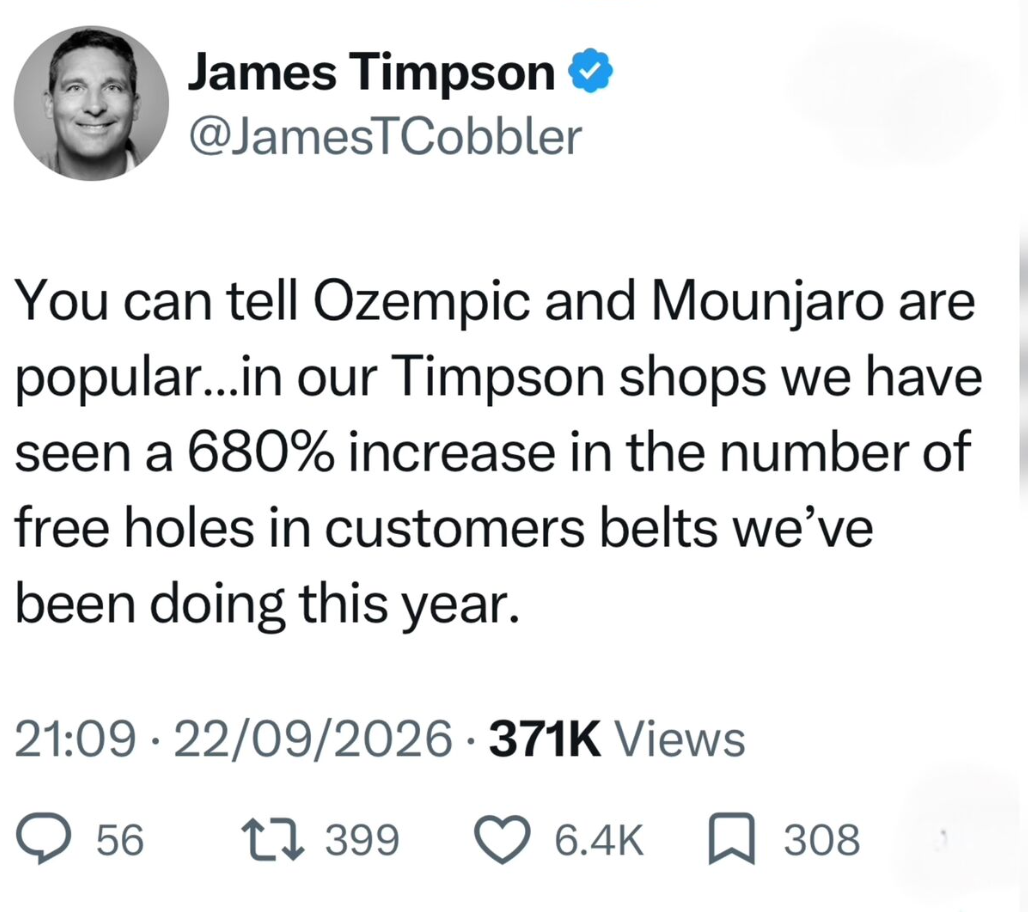
Beauty’s convergence with wellness is not only about looking better, but also about feeling some sense of agency. Young people are putting increasing energy into health, nutrition, fitness, skincare and self-care at a time when much of the world around them feels difficult to influence.
As Izzy mentioned during the talk:
There are loads of forums about young people talking about politics, and it’s shifted to nutrition and health because we’ve got something that young people can control. It gives them a sense of agency, you can actually see results and that's powerful.
Beauty, health and wellness are becoming part of the same conversation: how do I feel better, understand myself better and have some control over my own life?
03 THE QUANTIFIED SELF: MAXXING IN BEAUTY CONTINUES
Optimization is becoming increasingly specific. Jaw angles, facial symmetry, sleep scores, skin diagnostics, biological age. The language of measurement is moving deeper into beauty.
As Laura put it:
Beauty’s really becoming more and more about mathematics. Every time I think, ‘This is the most specific thing ever,’ there’s something else to hyper-analyze.
Looksmaxxing is only one expression of a wider shift towards seeing the self as something that can be measured, understood and improved.
04 BRING BACK 'REAL' CHARACTER: BEAUTY GETS LESS SERIOUS
The counterpoint to all that optimization isn’t necessarily “anti-beauty”. It’s character.
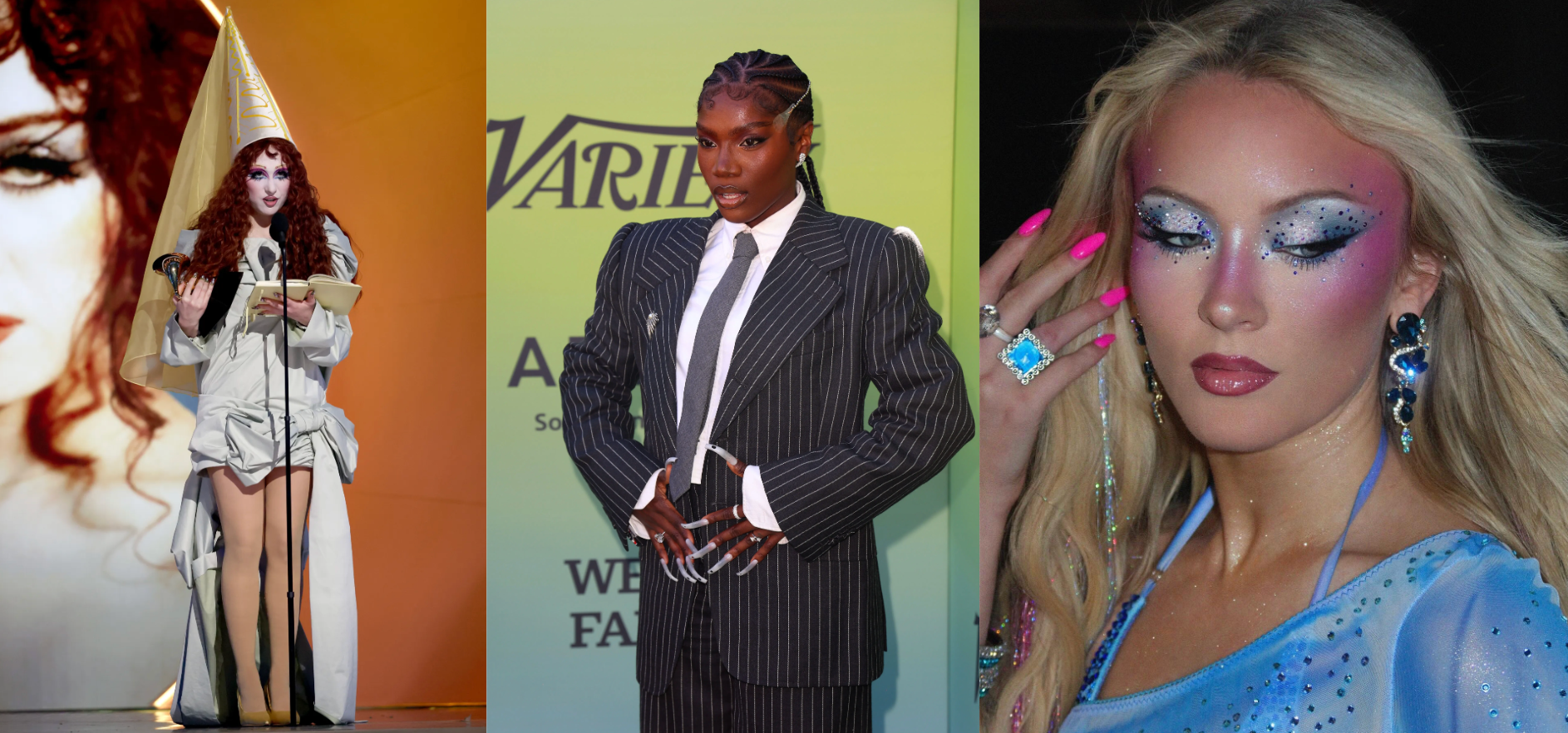
Human imperfections are more valuable, as AI makes polished images easier to create. Things that prove we’re human could become more desirable: crooked teeth, unusual features, ageing, mistakes, texture, strange makeup. Laura talked about audiences becoming frustrated by veneers and “Instagram face” on screen, while Alex pointed to the response to the expressive beauty of Doechii and Zara Larsson.
Perfection is definitely not going away, but it's not the most interesting thing in the room. Don’t be afraid of the 'extremes' – beauty is about having fun, being playful, and taking risks.
05 EXTREMES & POST-SURGERY AESTHETICS: BEAUTY IS ABOUT BEING “LEGIBLE”
Simultaneously, extremes mean something completely different in “optimization track.”
As Alex mentioned during the panel,
The aspiration is to have it look like you've just had surgery and for people to think that you've done it.
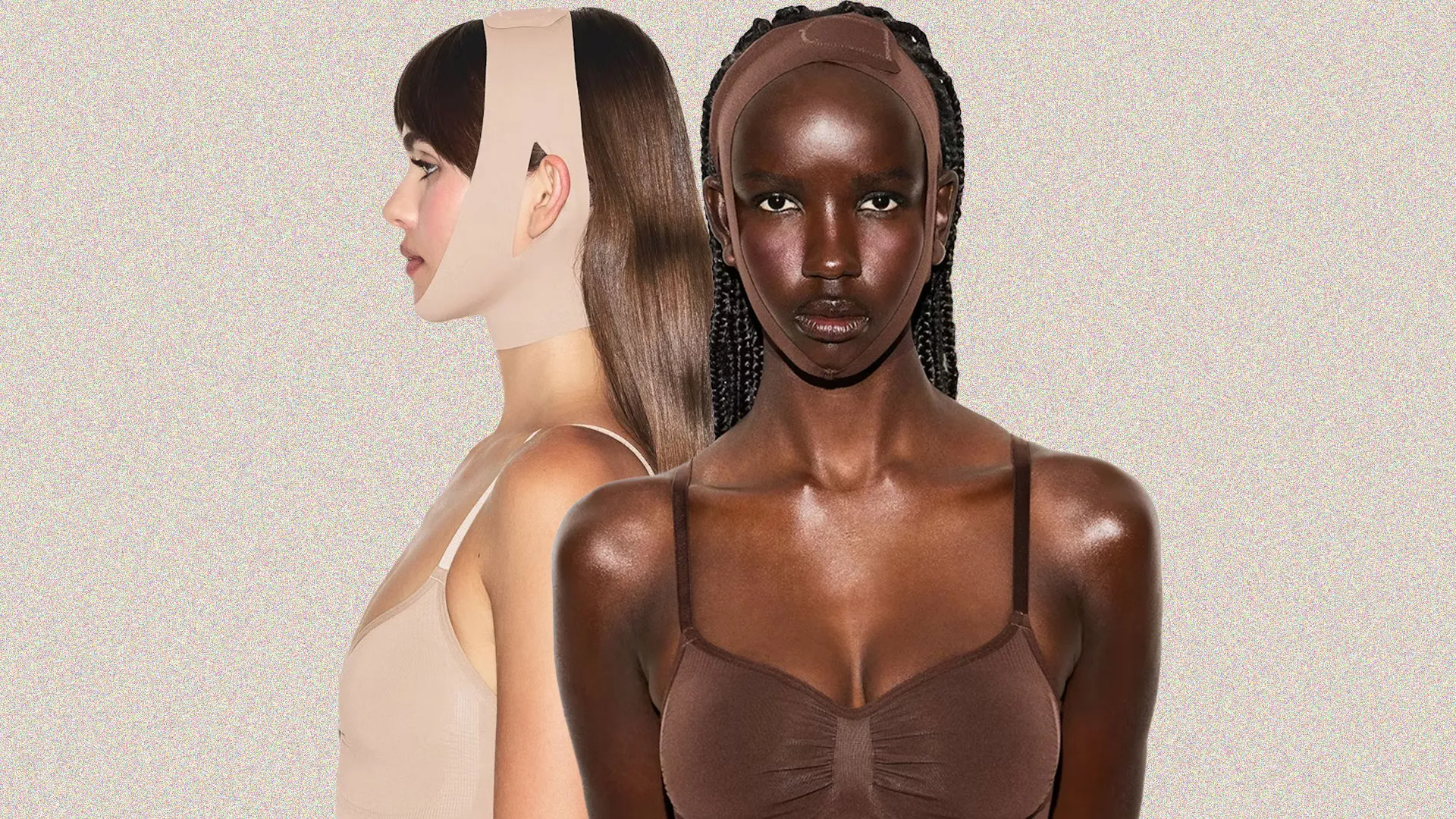
Today, the “post-surgery” aesthetic becomes aspirational: you look so good that it seems like you’ve already had surgery. As audience member Daniel brought up during the Q&A, while surgical procedures remain expensive, beauty and medical products are increasingly mimicking their results for consumers who cannot afford the process. Take the Kim Kardashian SKIMS face mask, for example, which promises to create the appearance of a lifted, sculpted face.
In this sense, beauty becomes a social status symbol. The visible signs of having invested in your appearance can signal access and the ability to optimize yourself, whether through surgery, treatments, or products that imitate them. The aspiration is beyond looking beautiful: to look like you have already invested in becoming your “best” self.
06 BEAUTY BECOMES INVISIBLE: BREAKTHROUGHS AND THE RISE OF NEURO-COSMETICS
Beauty innovation is moving beneath the surface. From biotech and longevity to breakthroughs in hair loss and regrowth, skin health and neuro-cosmetics, science is shifting the focus from how we appear to what is happening inside the body.
As Izzy discussed at the breakfast,
From looking healthy to proving you’re healthy, science becomes a new beauty language.
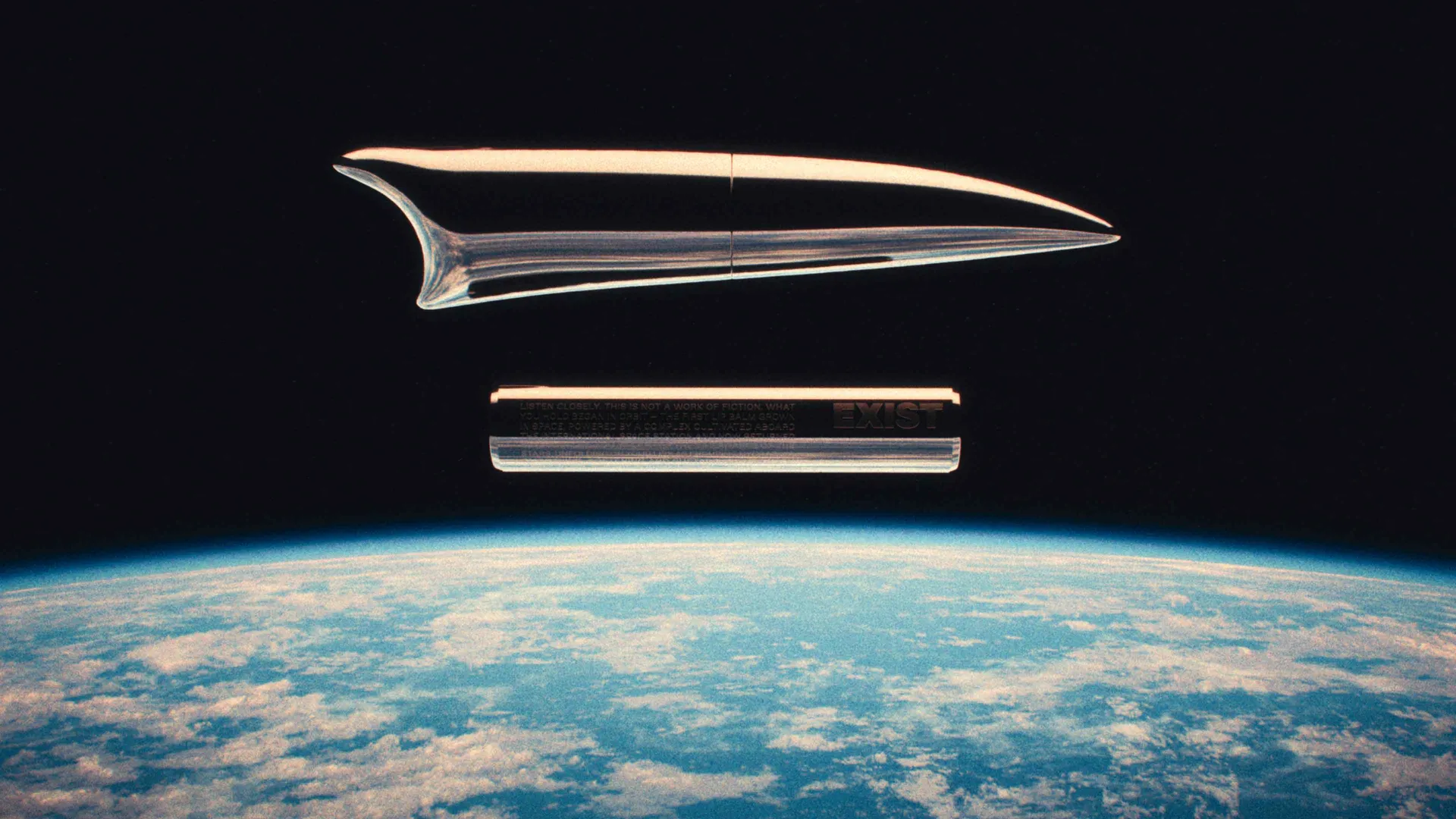
Alex pointed to EXIST, the new brand from material scientist Lauren Bowker, which launched with a lip balm using an ingredient experimented with in space, alongside innovations such as temperature-responsive hair colour.
In beauty, there's often you get stuck to a formula or to certain hero products… But I think it's so cool to be broadening the scope, using these space ingredients and also just experimenting and having fun again. I think I just love to find joy in products… I always just want to be like, "Yeah, I want hair dye that changes color in the heat." How cool is that?!
Neuro-cosmetics push this further, with products making claims around mood, confidence and emotion. What if the next beauty status symbol isn’t what’s on your face, but your biology your hair, health, biological age, even your DNA?
SO, WHAT’S NEXT?
Probably not one thing but beauty is becoming more scientific and more emotional. More optimized and also more individual, more invisible in some places and deliberately visible in others. That contradiction feels important. Could the next beauty statement is doing less?
It goes back to the point mentioned by Izzy during the breakfast,
The middle is where beauty gets boring.
Walking out from the room, I wondered, am I being honest about my skin condition with my little star face, or am I trying to hide the imperfection? Am I being vulnerable, or am I just catching up with the cool trend? At the end of the day, it’s a mix of functionality and aesthetics that’s always impacted by my surroundings.