FROM SPONSOR TO PATRON: Rethinking the Brand–Talent Relationship
This week: why a less powerful Fashion Week might need better patrons, what Dazed audiences are telling us about cultural extremes, the rise of Y3K, human alternatives to AI and why Spotify is entering its yearning era.
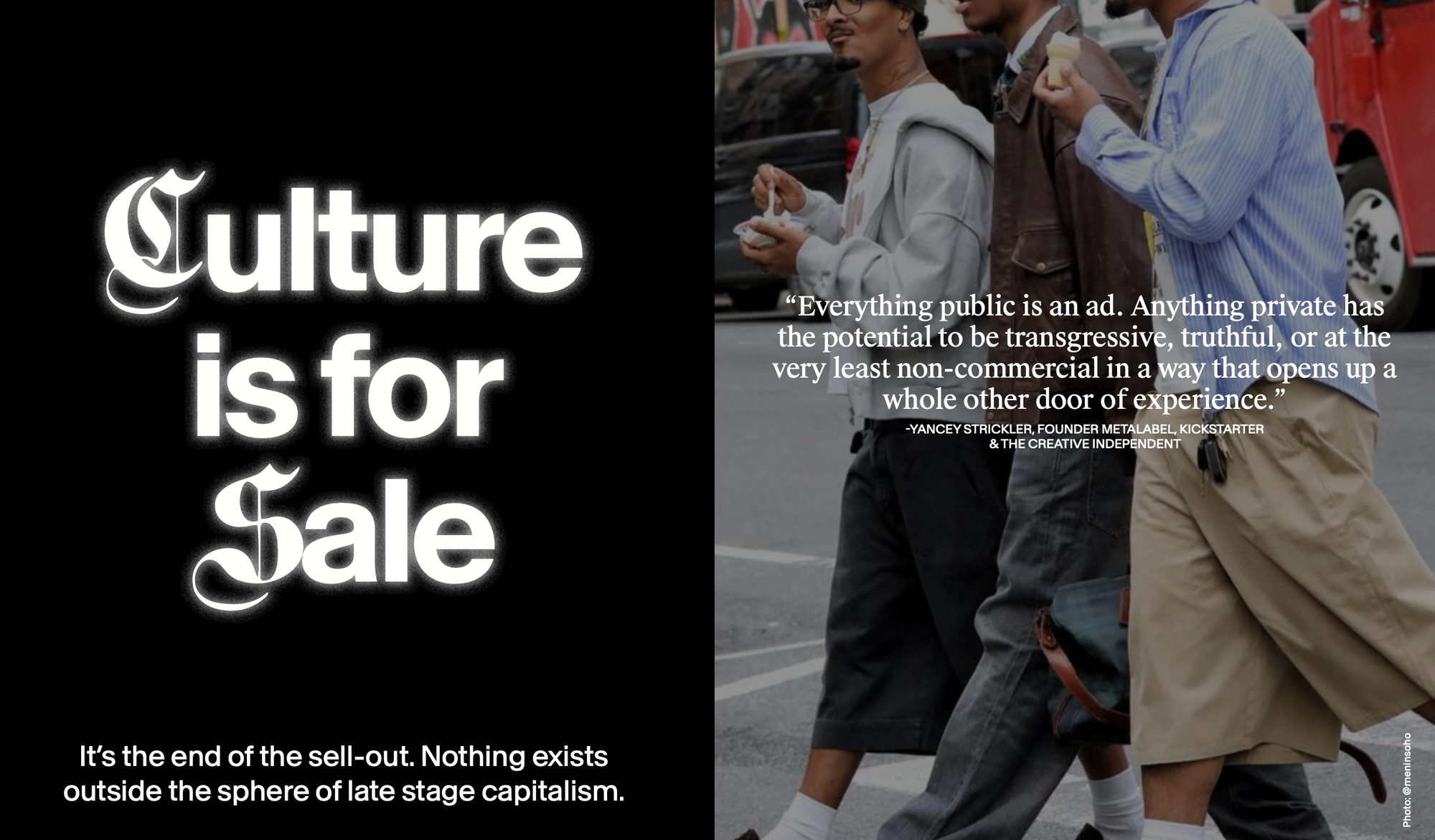
As cultural power moves away from traditional institutions and towards smaller scenes and communities, brands need to rethink what it means to support culture.
“I think brands have a lot of interesting and positive roles to play when they’re positioned more like patrons… taking care of art and artists that people actually care about.”
— POSTPOSTPOST, Parafaith Report
Fashion Week isn’t what it once was. Its cultural grip has loosened, attention has fragmented and a show no longer guarantees relevance. Yet for emerging designers, it remains an important route to buyers, editors, talent and audiences and an expensive one.
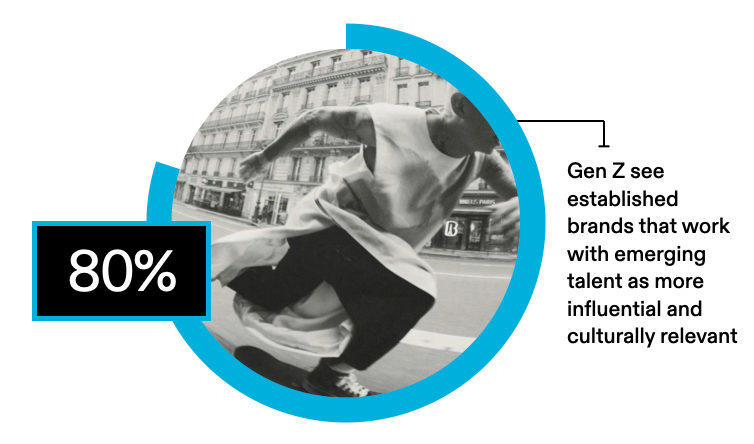
With Fashion Month around the corner, there’s an opportunity for big brands to use their scale to support the people still making it matter. Our Dazed Tastemaker research finds that Gen Z see established brands that work with emerging talent as more influential and culturally relevant. Support can mean funding, but also space, access, production, introductions or amplification.
THREE SIGNALS
01. SMALL BRANDS, OUTSIZED INFLUENCE
Some of Fashion Month’s most coveted invitations aren’t the blockbuster shows, but smaller independent brands building distinct worlds and communities around them.
OUR READ: In a fragmented cultural landscape, scale and influence are no longer the same thing. Supporting smaller players gives established brands a meaningful relationship with the people shaping what comes next.
02. ACCESS IS A CURRENCY
Money matters, but emerging brands need more than funding. Bigger brands can offer networks, spaces, production expertise, talent connections and amplification resources that can be just as valuable as a cheque.
OUR READ: The most meaningful sponsorship might not be the most visible. Ask what your brand can unlock, not just what it can fund.
03 A CALENDAR RESET: FASHION DOESN’T ONLY HAPPEN DURING FASHION WEEK
More designers are creating off-calendar shows, product drops, pop-ups and community moments rather than relying solely on the traditional fashion calendar. As luxury expert Adam Burack told us: “You want emerging brands to say that this brand didn’t just throw some money at me, or gave me a bunch of shoes or sunglasses, they actually educated me on how to get to where I want to be.”
OUR READ: Cultural moments increasingly belong to the communities that create them, not the calendars that contain them. Supporting emerging talent means showing up beyond Fashion Month too.
INSIDE DAZED
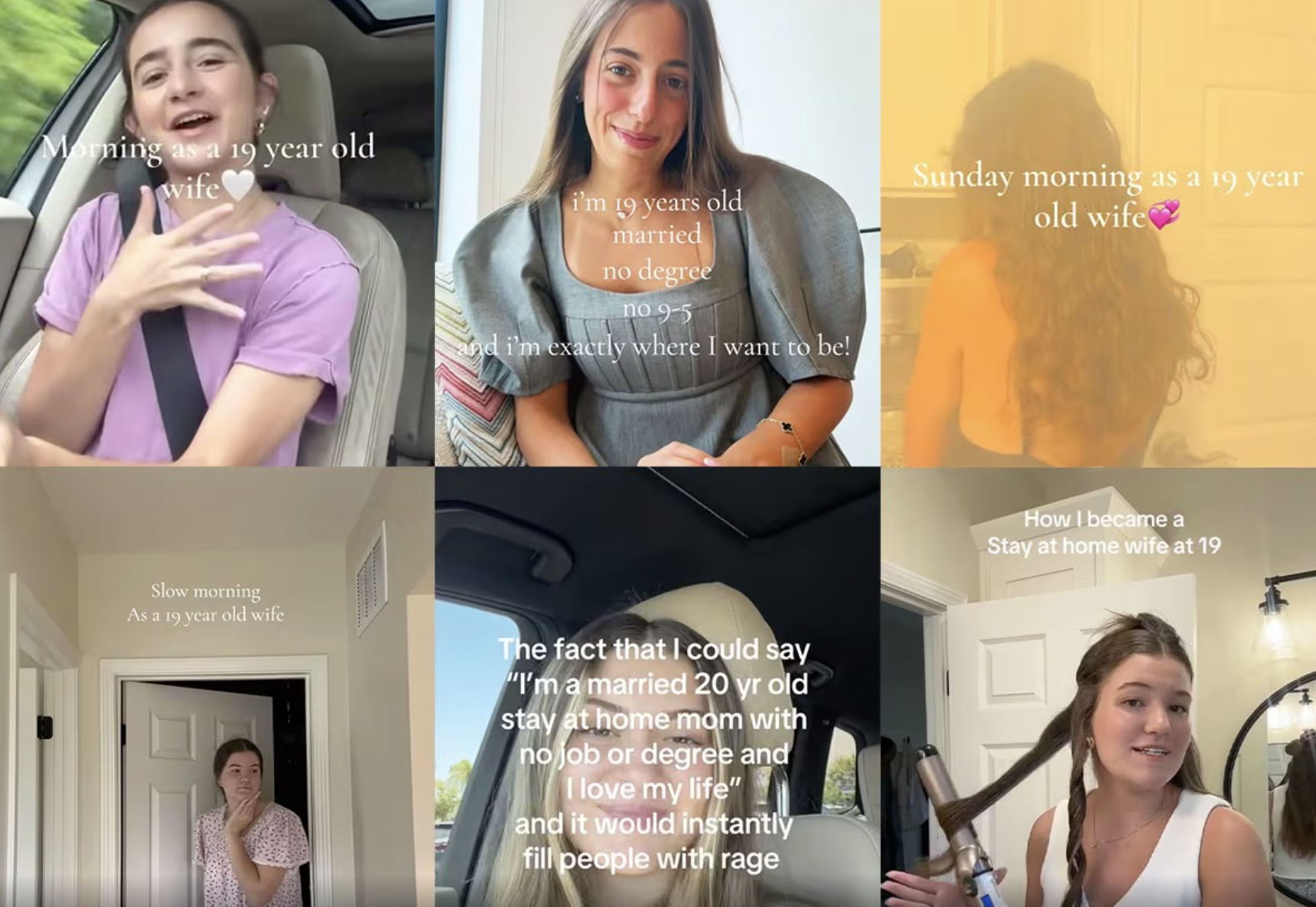
What 30m+ culturally curious people are telling us is most interesting to them this week.
- The next generation of tradwives is already spawning
- Dominatrixes photographed on their own terms
- Horoscopes August 2026: Get ready for some drama!!
- ‘There’s flesh everywhere’: Inside Gregg Araki’s I Want Your Sex
ON OUR RADAR
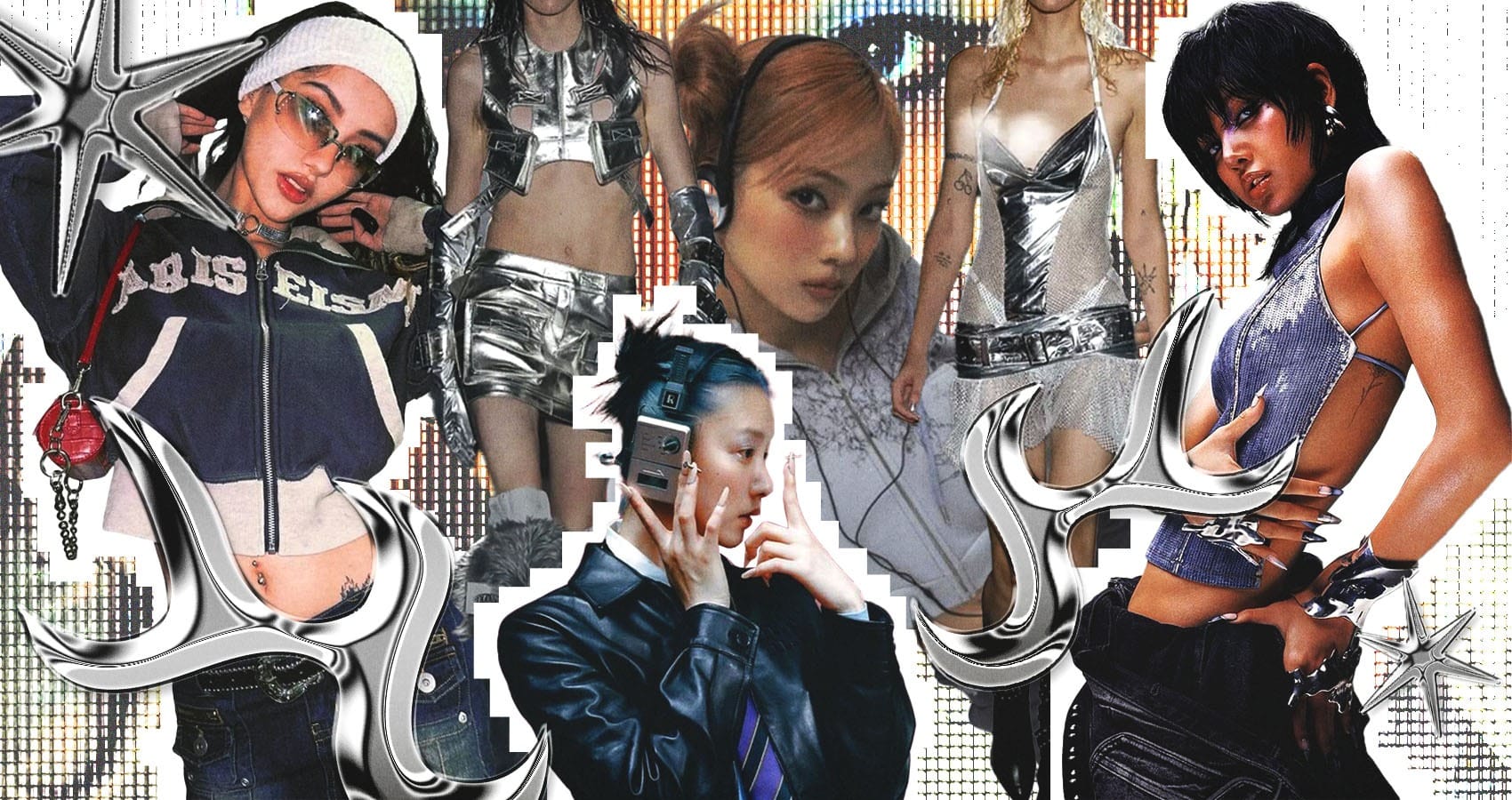
Y2K → Y3K
Y3K is gaining traction among Gen Z and Gen Alpha, swapping Y2K nostalgia for chrome, futurism and alien aesthetics. Are we finally ready to imagine the future again?
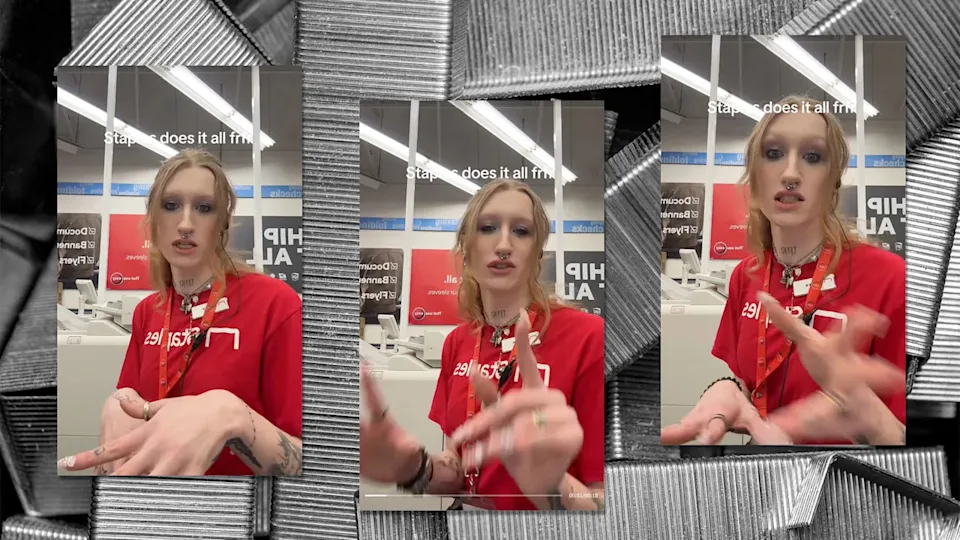
#FREETHEEMPLOYEE
Gap and Staples are letting employees create content from the shop floor, turning staff into brand creators. As polished brand voices lose their grip, could employees become the most credible brand channel?
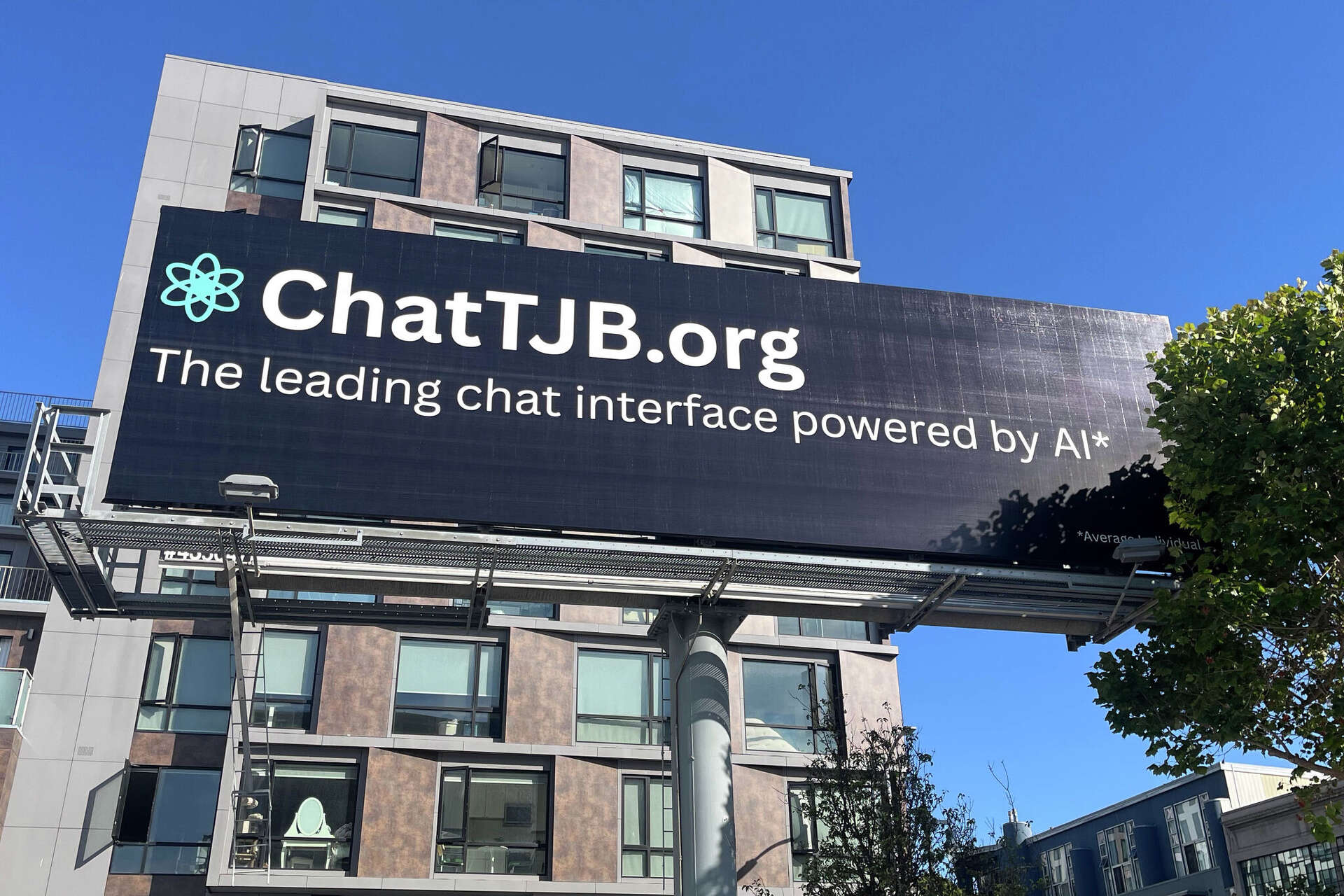
ASK A RANDOM GUY
Screw ChatGPT: ChatTJB lets you ask questions that are answered by an actual human, Tucker Bryant a former Google employee. The demand for the platform has already required volunteers.
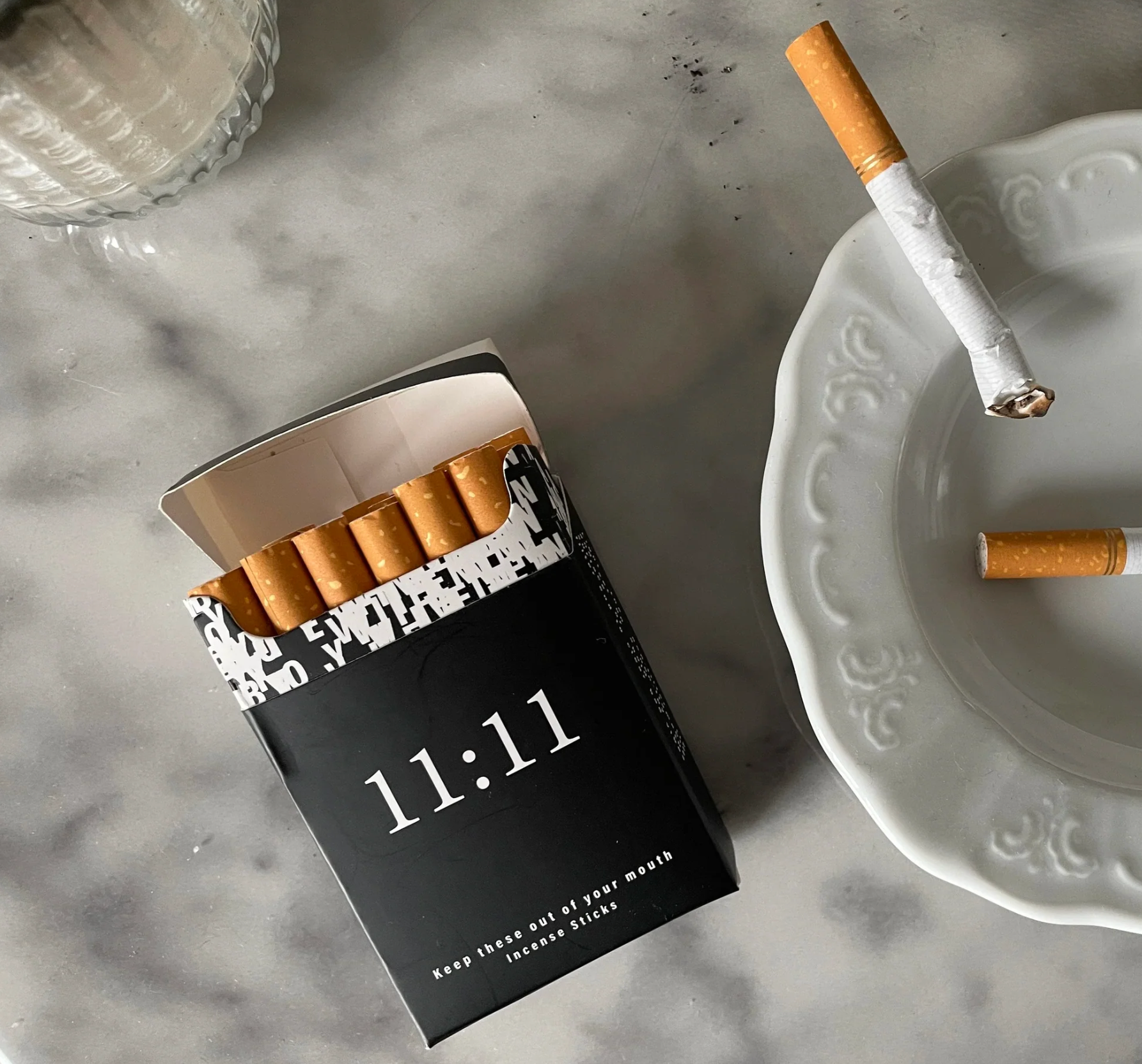
THE CIGARETTE WITHOUT THE CIGARETTE
Boy Vienna’s cigarette incense borrows the look and ritual of smoking, minus the smoking. What happens when the aesthetic of rebellion outlives the behaviour?
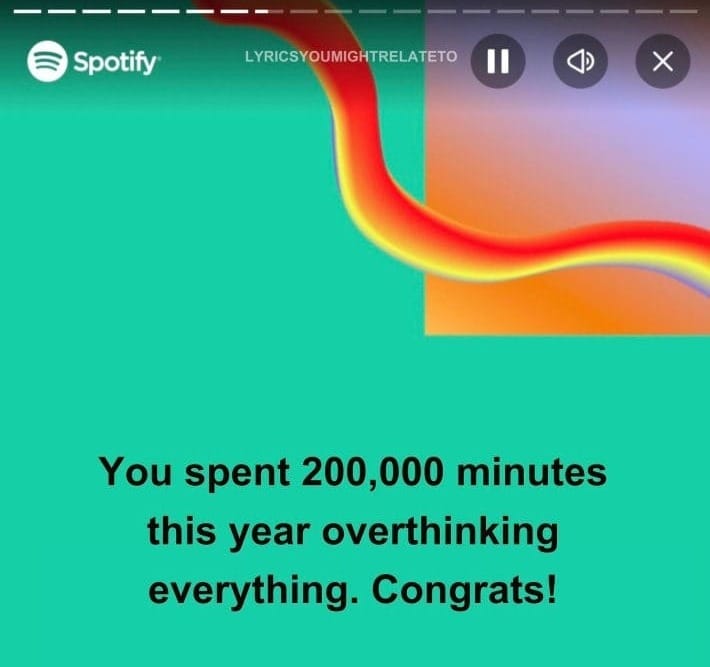
A BIG DAY FOR YEARNERS
Spotify’s User Notes lets listeners attach personal memories to songs, turning streaming into a more emotional archive. Are we craving technology that helps us remember, rather than recommend?
THE PROVOCATION
WHAT CAN YOUR BRAND GIVE CULTURE THAT MONEY CAN’T?
The most meaningful cultural partnerships aren’t necessarily won by the biggest budgets, but by brands that know what else they can offer access, knowledge, infrastructure, platforms or people.
If cultural relevance can’t simply be bought, what can your brand help make possible?
Something to think about until the next Echo Chamber.
Lindsey Okubo, Dazed Studio
The Echo Chamber is Dazed Studio’s bi-monthly read on the signals, shifts and stories shaping youth culture now.