


What is something that’s overlooked about the young generation today? What does Gen Z see that brands don’t?
On October 27, we had a chance to welcome 5 photography students from Rochester Institute of Technology, who presented their work in response to our callout: YOUTH CULTURE THROUGH YOUR LENS – What is one image that can tell us something interesting, unexpected, or overlooked about your generation?
What emerged was a portrait of youth culture, that is both personal and political, nostalgic and forward-looking. The multitude of perspectives also shows how much nuances we lose when we reduce a generation of people to a consumer demographic.
From clown culture and fashion as forms of self-expression, growing awareness of surveillance and digital privacy, to the importance of gathering spaces and rituals, each project offers a unique lens through which to view youth culture.
Let’s see their perspectives and dive into their worlds together.
Stop taking our data, Stop treating us as data
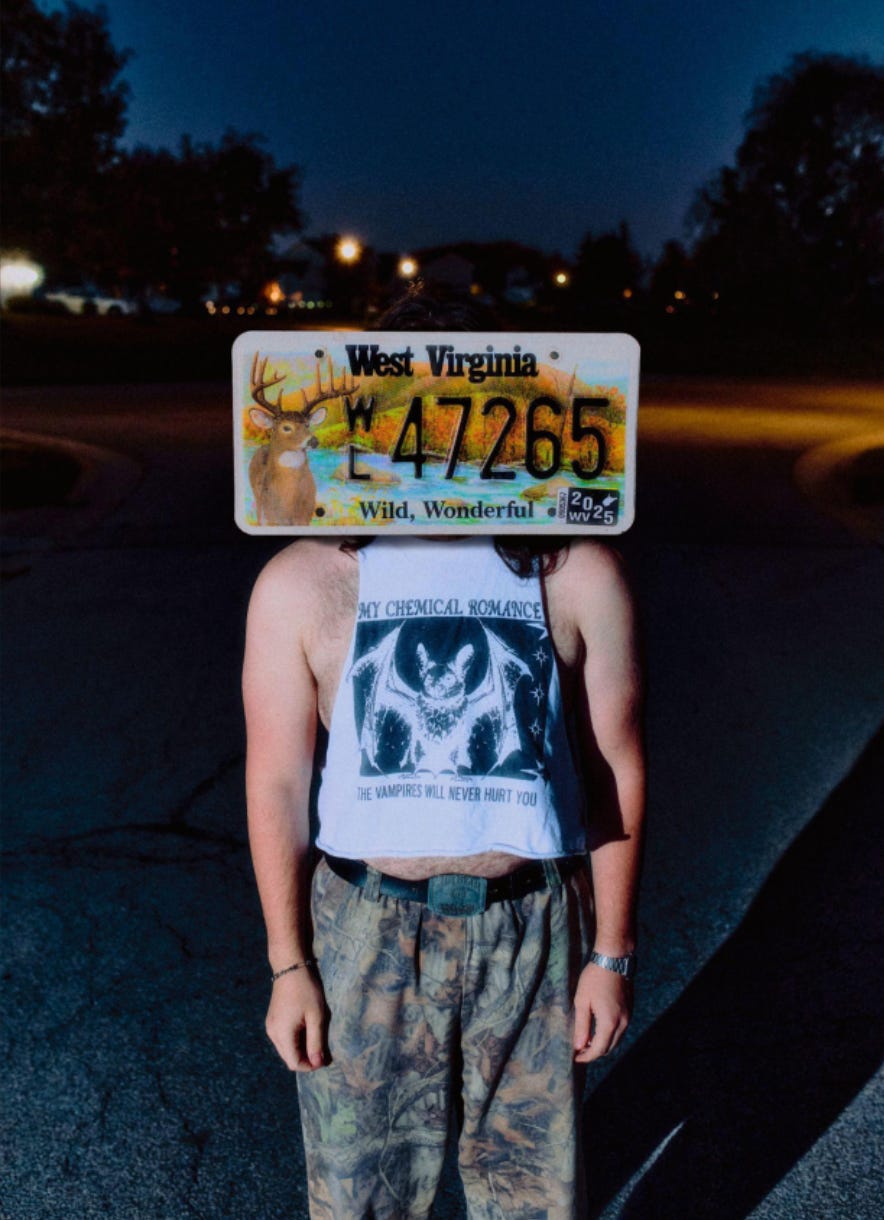
“ This project is a protest and commentary on the nonconsensual capturing of our private information and data. This is relevant to today’s youth because Gen Z is the first generation to be fully integrated into the internet age… Our entire lives are logged and documented on the internet; chances are, you can find our baby photos on our parents’ Facebook. This gradual decay of privacy is a world that the youth has been forced into and is feeling the oppressive effects of.” — Liam Myerow
Privacy is decaying in the internet age. The work challenges today’s increasingly normalised surveillance culture. Who gets to own our information? We are people, not just data points for the market.
Girlhood and female appeal, redefined

“Words across the bottom on clothing has been a trend outside of the aughts into Gen Z’s childhood in ‘10s, and now currently, we third… Buy, looking to go back to where it all began… women took more initiative in taking back the appeal for themselves, becoming angels with wings on their jeans or looking for the juicy trend again, leaning into the energy that hip-hop culture brought forward” — Sierra Allen
The return of Y2K fashion references, from statement lettering to the revival of early-2000s aesthetics, reflects how a new generation of women is revisiting and reclaiming the visual language of girlhood.
The Joy of Food & Search for Peace, at Yemeni Coffee Shops
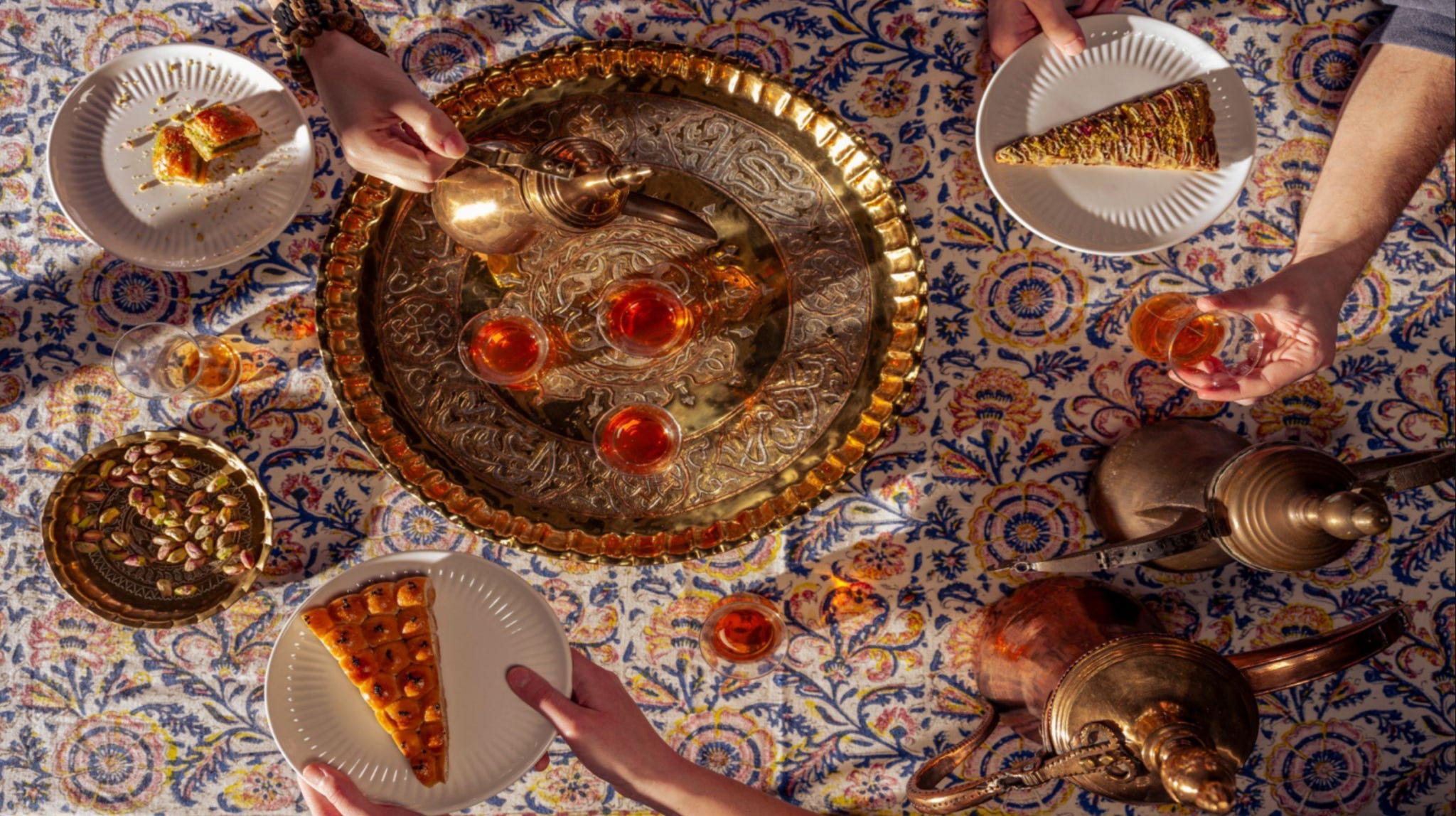
“Yemeni coffee shops have been popping up across the country in the last decade and have carved out a unique niche. Open late at night, these coffee shops are full of students and young people looking to spend their nights genuinely connecting and conversing. Yemeni coffee shops reveal a different side of Gen Z. A generation with new interest in global cultures, searching for pockets of peace in an increasingly complicated world.” — Grace Monahan
The growing popularity of Yemeni coffee shops reflects a new kind of social space for young people, where global cultures meet everyday community life.
Expression without fear and judgement
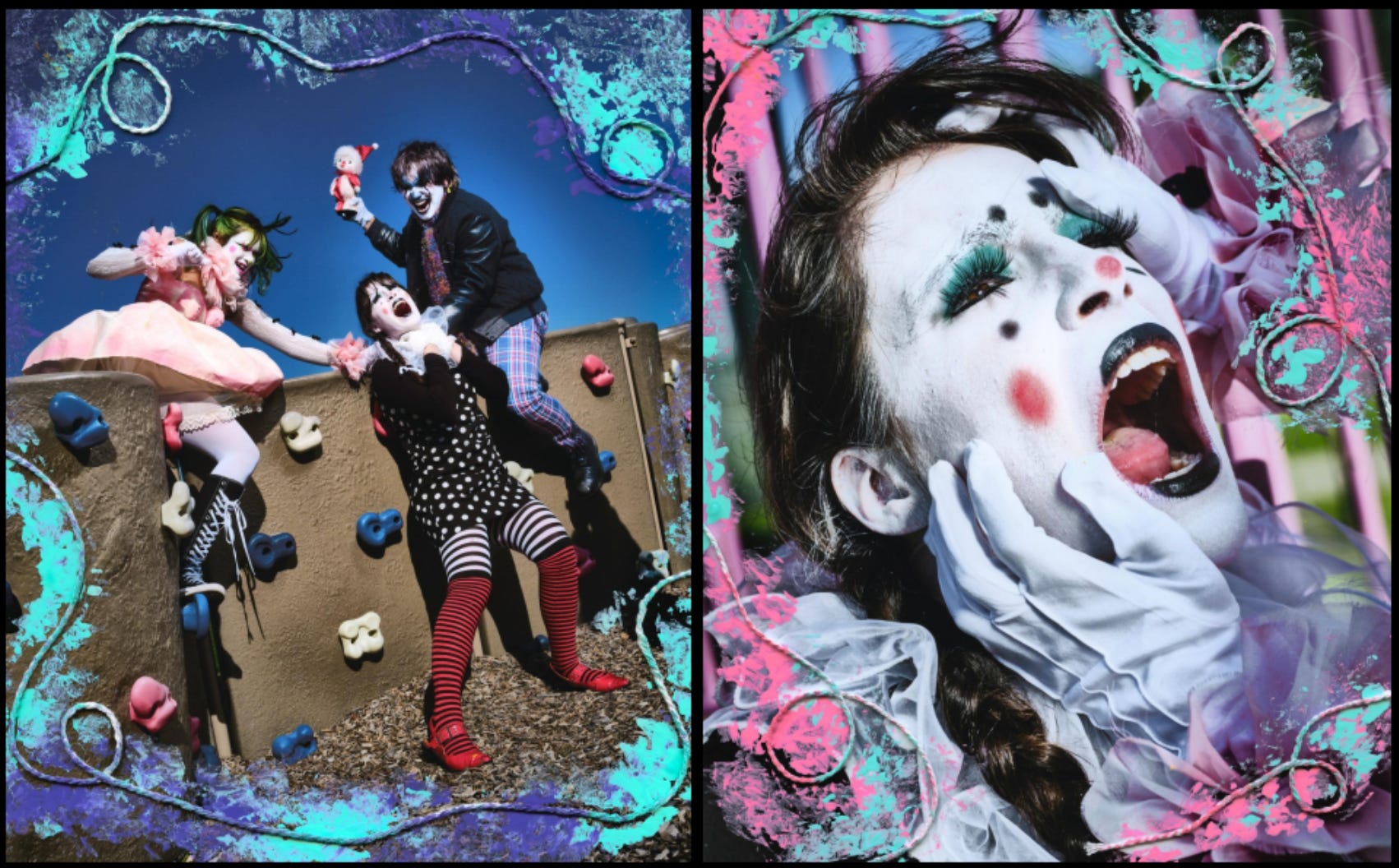
“This image embodies how the youth today feels joy and a sense of freedom in dressing up as clowns and embracing the happiness and whimsy it brings into their lives. In a society that often has many rigid beauty standards, I think clown costuming and makeup is a powerful form of self expression without fear of judgment and being able to break away from that mold. ” — Gina Lee
Through clown culture, young people are finding ways to challenge conventional beauty standards and expectations around appearance. What might traditionally be seen as exaggerated is exactly the form of freedom – an invitation to experiment with identity and express themselves.
Presence and simplicity are the answers

“The photograph reflects the beauty of stepping away from the familiar to reconnect with what matters: friendship, imagination, and the freedom to dream. It is a reminder that sometimes creativity does not come from searching for inspiration, but from simply being present—with one another, with nature, and with the possibilities that exist beyond the everyday.” — Nicole Curtin
In an increasingly fast-paced and digitally connected world, the simple act of being present with one another becomes increasingly meaningful. Sometimes the best experiences come from slowing down and reconnecting with friends, nature, and sincere hearts.
Today, young people aren’t necessarily looking for “more” from the outside world. Instead, they’re asking deeper questions about themselves: who they are and how they make sense of the world around them. As the wider world continues to compete for young people’s attention, we should pay closer attention to what they actually cherish and want to hold on to. After all, these are the things that have always mattered, but have been increasingly overlooked – privacy, individuality and self-expression, connection and community.