How The Trader Joe's Tote Bag Became A Global Cult Phenomenon

& what can brands learn from this...
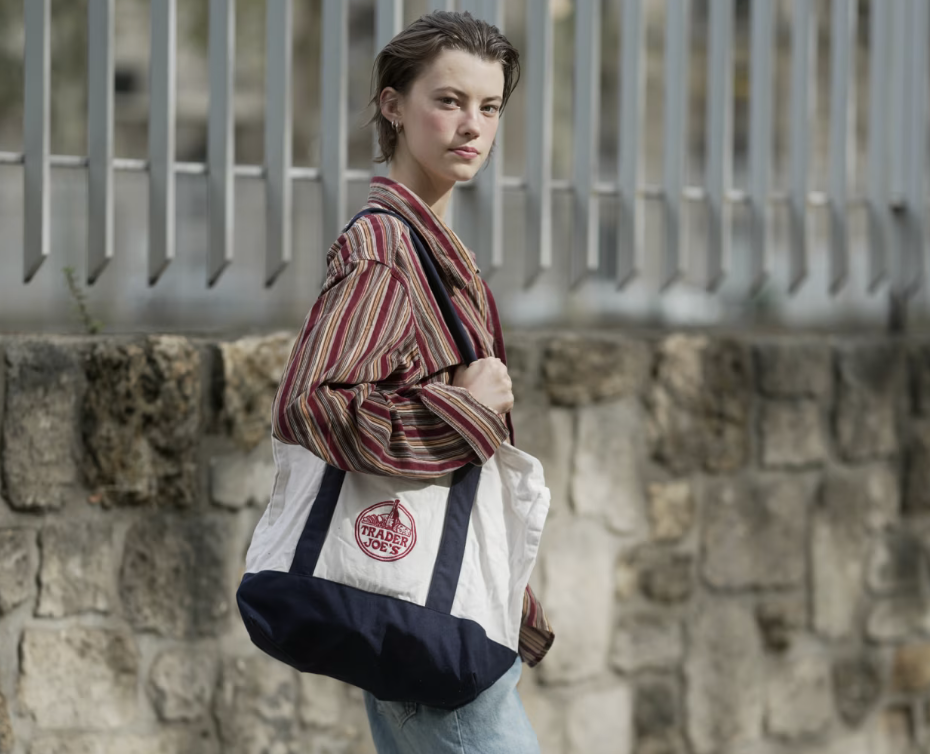
Having recently moved to New York, one thing that surprised me was discovering that people actually use Trader Joe’s totes here. I’d seen the global obsession from afar: the resale listings for $10,000, the limited-edition colour drops. People in the office say they witness two huge queues in the stores: one for groceries, one for the tote bags.

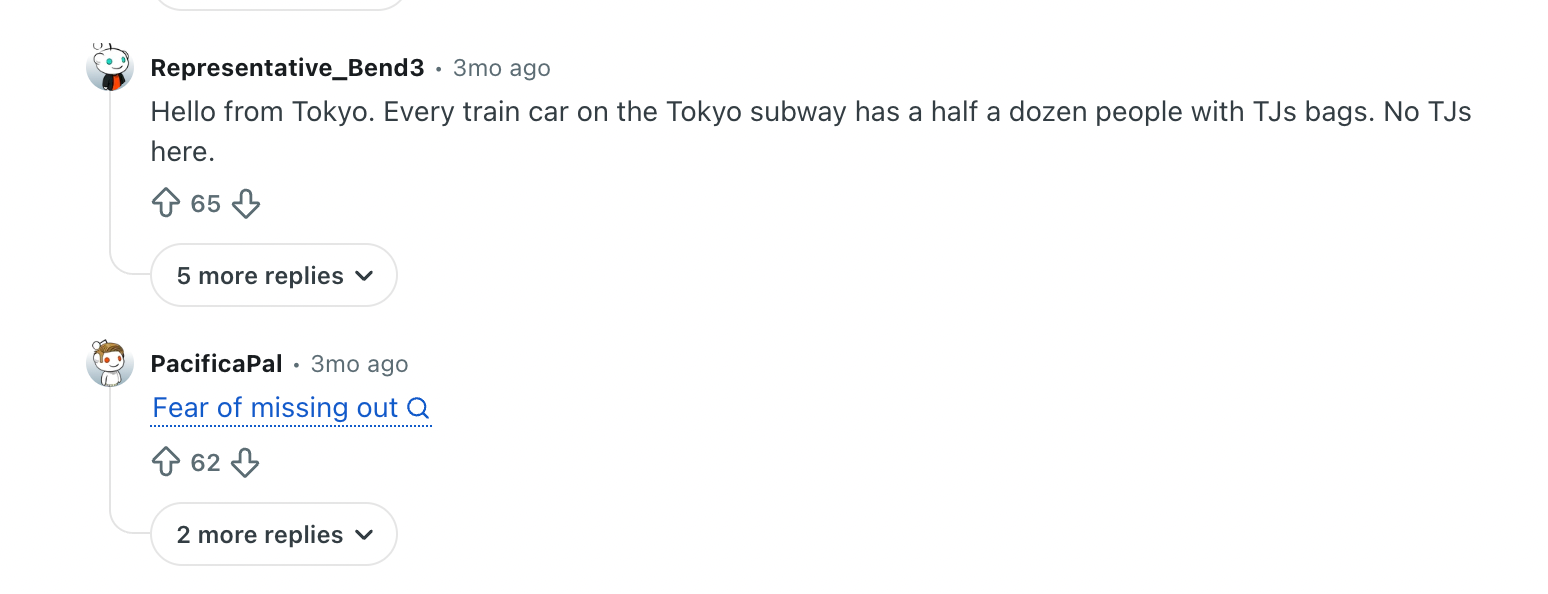
Some of the tote’s biggest fans live in places where Trader Joe’s doesn’t even exist. From London to Tokyo, Seoul and Taipei, the bag has become a small but recognisable symbol of American culture: part souvenir, part status symbol. Its appeal stems from its functionality.
The tote’s appeal reflects two broader shifts in consumer culture: the rise of utility as a status symbol and the elevation of everyday consumption into culture. Just as gorpcore transformed hiking gear into fashion, “little treat” culture has transformed groceries, snacks and daily rituals into sources of identity and aspiration. In an era when large luxuries feel increasingly out of reach, small purchases are carrying greater emotional and cultural weight. “Price per wear” has become a more important measure and in this context, functional products aren’t just practical, they’re cultural capital.

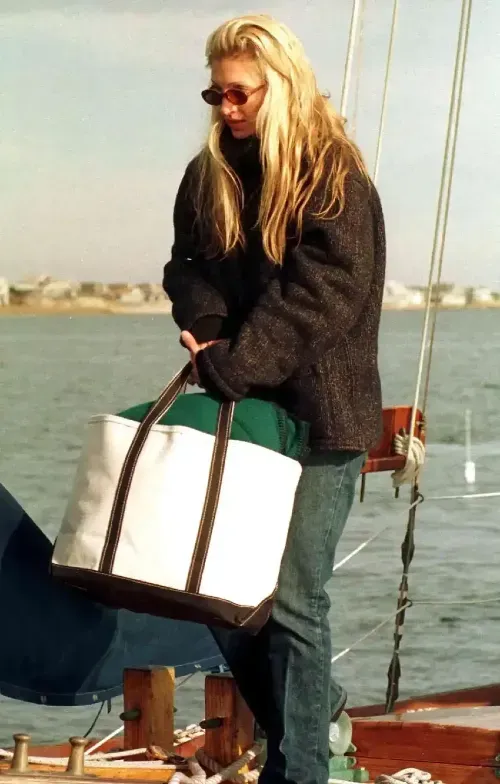
Like the L.L.Bean Boat & Tote before it, the Trader Joe’s tote has become attached to a particular vision of American life. Think Carolyn Bessette-Kennedy’s effortless 90s chic, East Coast prep, and the enduring appeal of looking as though you’re not trying too hard. It’s practical, understated and quietly aspirational.
There is a post-luxury significance to the fact that this is a Trader Joe’s tote, not a Whole Foods or Erewhon one. Unlike luxury brands, Trader Joe’s has built cultural capital through affection rather than aspiration. It evokes a version of middle-class American life that feels accessible, optimistic and distinctly human: a little quirky, a little nostalgic, and untouched by the polish of luxury branding. Founded in California in the late 1960s, the retailer has always carried a slightly bohemian sensibility.
At a time when brands are busy trying to manufacture cultural relevance, the Trader Joe’s tote is a reminder that the strongest cultural symbols often emerge organically from everyday life.

SIGNAL #1 THE LOCAL SOUVENIR IS BACK
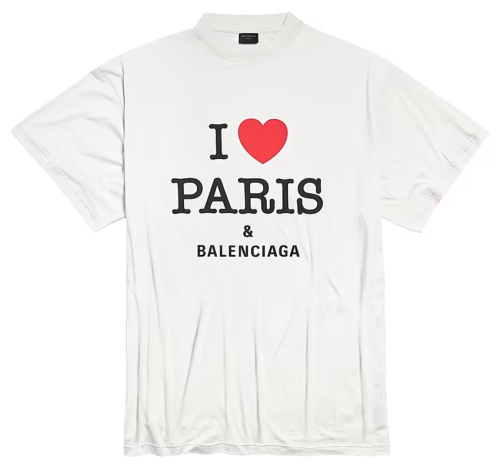
What’s happening: The Trader Joe’s tote functions like a souvenir from America. Similar dynamics are driving demand for Erewhon merch, ‘I Love Paris’ t-shirts, city-specific apparel and hyperlocal brands.
Why it matters: In an increasingly digital world, people want tangible markers of real-world experiences.
For brands: Place matters again.
SIGNAL #2 THE MOST DESIRABLE BRANDS AREN'T TRYING TO BE GLOBAL

What’s happening: Trader Joe’s doesn’t have international stores. That’s part of the appeal.
Why it matters: Global availability can increase scale but reduce mystique.
For brands: Being locally rooted can create more cultural value than being universally accessible.
SIGNAL #3 UTILITY CREATES DESIRABILITY
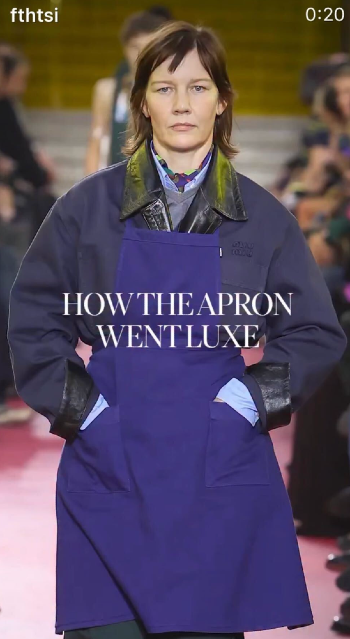
What’s happening: From L.L.Bean bags to Salomons, Carhartt and technical outerwear, products built for function continue to acquire cultural value.
Why it matters: In a world saturated with marketing, consumers are increasingly looking for proof. Utility has become a form of credibility. The products generating the strongest emotional attachment often have a clear purpose beyond aesthetics.
For brands: The strongest brands don’t just tell people they’re valuable. They demonstrate it.
WHAT’S HOT INSIDE DAZED
What our audience was actually paying attention to this month
HOT ON DAZED DIGITAL
- The rise of the intellectual tattoo
- An arresting portrait of ‘that moment right after teenagehood’
- 10 of the hottest Instagram accounts fusing art, sex and erotica
- Less cool, less cold: A new kind of nightlife is taking over Berlin
- Why so many young people are training to be death doulas
HOT ON DAZED SOCIALS
INSTAGRAM:
- Nobody wants to be famous anymore
- A new kind of nightlife is taking over Berlin
- Why does hot weather make us so feral?
What it tells us
This month, Dazed audiences were drawn to stories about identity, intimacy, nightlife, mortality and the rejection of conventional fame. Together, they suggest a move away from polished aspiration and towards things that feel more physical, personal and human.
STAT OF THE WEEK
YouTube wins
Average daily viewing time on YouTube has now overtaken Netflix globally.
AN OPINION WE CARE ABOUT
The analog revival did not take place, it was performative
An interesting take by Eugene Healey
STAY CURIOUS
If the most culturally powerful brands are the ones people actually use, what happens when utility becomes the new luxury?